
Most Australian punters know wilds and scatters, but a symbol upgrade feature slot does something subtler. Instead of adding new symbols, it quietly nudges existing ones up a payline. I’ve spent years modelling these mechanics in FP&A dashboards, and the maths behind them matters more than the marketing. Before you commit a Sunday arvo to a session, it pays to understand how the upgrade triggers and what it actually changes to your expected return.
What the upgrade feature actually does on screen

A symbol upgrade feature slot takes the icons already on the reels and shifts them one tier higher in value, usually after a specific trigger such as a dedicated bonus round or a landing condition. In plain terms, a low-value diamond might become a mid-tier bar, or a bar might step up to a higher-paying face. The reels do not spin again; the symbols already settled simply get re-rated. I’ve audited operator-side ledgers where these features were modelled as a variance reducer rather than a pure hit-rate booster, because the base game still needs to pay out before the upgrade applies. The visual identity on the screen matters here: clear iconography, a short animation that shows the tier shift, and a localised paytable in Australian dollars help players see exactly what changed. Navigation should keep the paytable one tap away, and the language should spell out whether the upgrade is permanent for that spin or resets on the next base game. When the interface communicates the mechanic cleanly, the feature stops feeling like a hidden bonus and starts reading as a transparent rule.
How to weigh the feature before you play
Treat the upgrade as a conditional modifier, not a promise of bigger payouts. The right questions are about trigger frequency, the size of the step-up, and whether the upgrade stacks with other bonuses. I’ve run cashflow scenarios for iGaming operators where symbol upgrades were priced in as a cost to the house edge, not a player perk, which is why the advertised return-to-player figure rarely jumps just because a feature exists. A sensible player checks the paytable first, notes which symbols can move, and sees whether the upgrade applies to wilds, scatters, or only base symbols. The table below shows a simple way to compare two common setups without needing a spreadsheet.
| What to check | Low-impact upgrade | Higher-impact upgrade |
|---|---|---|
| Trigger condition | Rare bonus entry | More frequent scatter land |
| Tier step-up | One level, low-value symbols only | Multiple levels, mid-tier symbols included |
| Stacking | No stacking with other features | Can combine with multiplier rounds |
| Paytable clarity | Small print, icons only | Full AUD value shown per tier |
A short checklist helps before you load a session:
- Read the paytable for the upgrade path, not just the top prize.
- Note whether the feature appears in base game or only inside a bonus.
- Check the local currency display so you are not guessing at conversions.
- Decide your stop point before the first spin, because the upgrade does not change the underlying volatility.
Where the common misconception trips people up
The usual misunderstanding is that a symbol upgrade feature slot automatically improves your odds on every spin. The reality is more nuanced: the upgrade only re-rates symbols that are already present, so if the base game does not land much of value, the upgrade has little to work with. I’ve seen sportsbook and casino finance teams treat these features as if they shift the house edge, when in practice they mostly shift variance and the size of occasional wins rather than the long-run expectation. Another wrinkle is localisation. A feature that reads clearly in one market can feel opaque in another if the paytable uses generic icons instead of AUD values, or if the navigation buries the upgrade rules under a couple of menus. The interface should make the upgrade rule visible in the same view as the reels, and the language should avoid jargon that sounds clever but means little to a casual player. When the feature is explained plainly, it stops being a mystery and starts being a rule you can actually factor into your session plan.
What to look for in the surrounding setup
The feature does not live in isolation, so the surrounding operator setup matters more than the icon swap itself. Registration should be straightforward, with clear identity checks and no suggestion that you can dodge verification or geo-blocks. Payments and currencies need to match the localisation: if the game shows AUD, the cashier should handle deposits and withdrawals in the same currency without hidden conversion steps. Mobile behaviour should keep the upgrade animation readable on a smaller screen, with the paytable and rules still easy to reach without zooming. Support and loyalty schemes should be presented honestly, with no implication that a loyalty tier guarantees better upgrade triggers or faster payouts. I’ve reviewed operator cashflows where the loyalty maths and the game maths were kept in separate silos, which is the right call because mixing them only confuses players about what the feature actually does. If you want a broader read on how symbol collection features compare, the explainer at symbol collection in slots is a useful neighbour to this topic. For a focused look at how these mechanics sit inside an Australian-facing operator setup, the money train 4 page lays out the local angle without overstating what the feature can do.
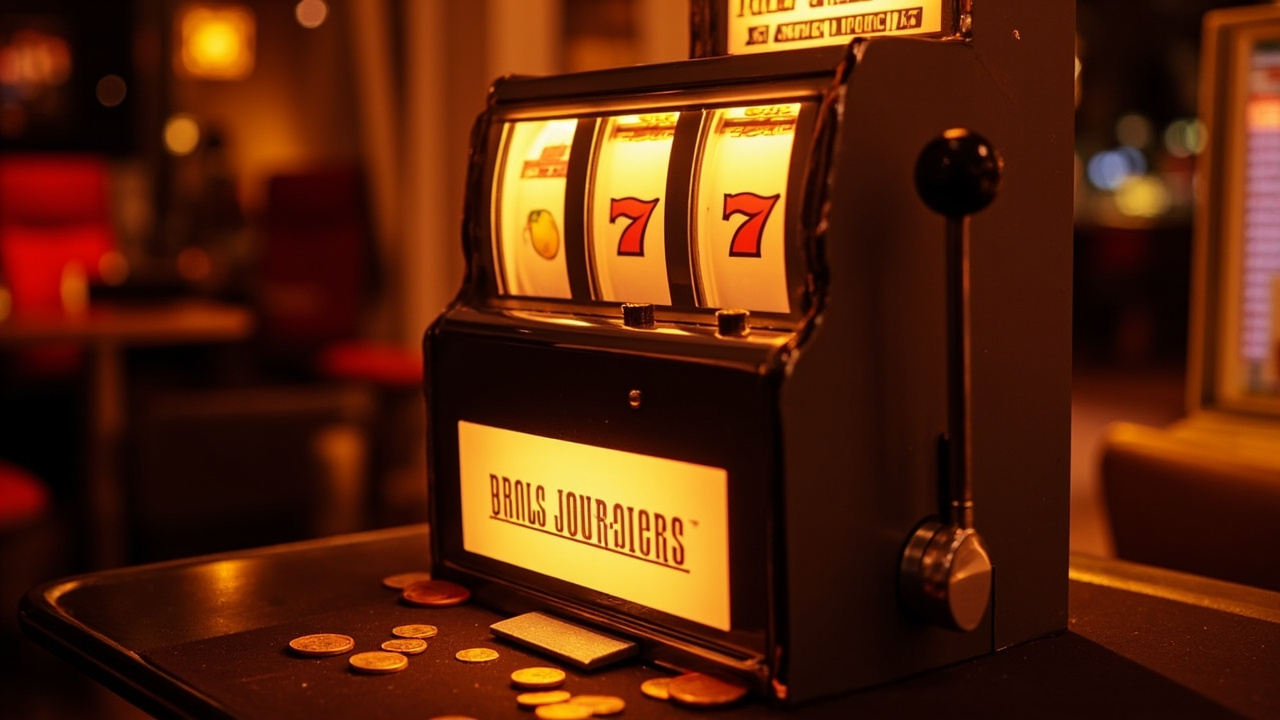
A symbol upgrade feature slot is best treated as a re-rating rule, not a shortcut to better results. The upgrade can make a settled spin more valuable, but it does not change the underlying volatility or guarantee anything on the next round. If the paytable is clear, the currency is local, and the interface shows the upgrade path without hiding it, you can weigh the feature properly before you play. Keep your limits set, read the rules in Australian dollars, and treat the upgrade as one more condition to understand rather than a reason to chase.
